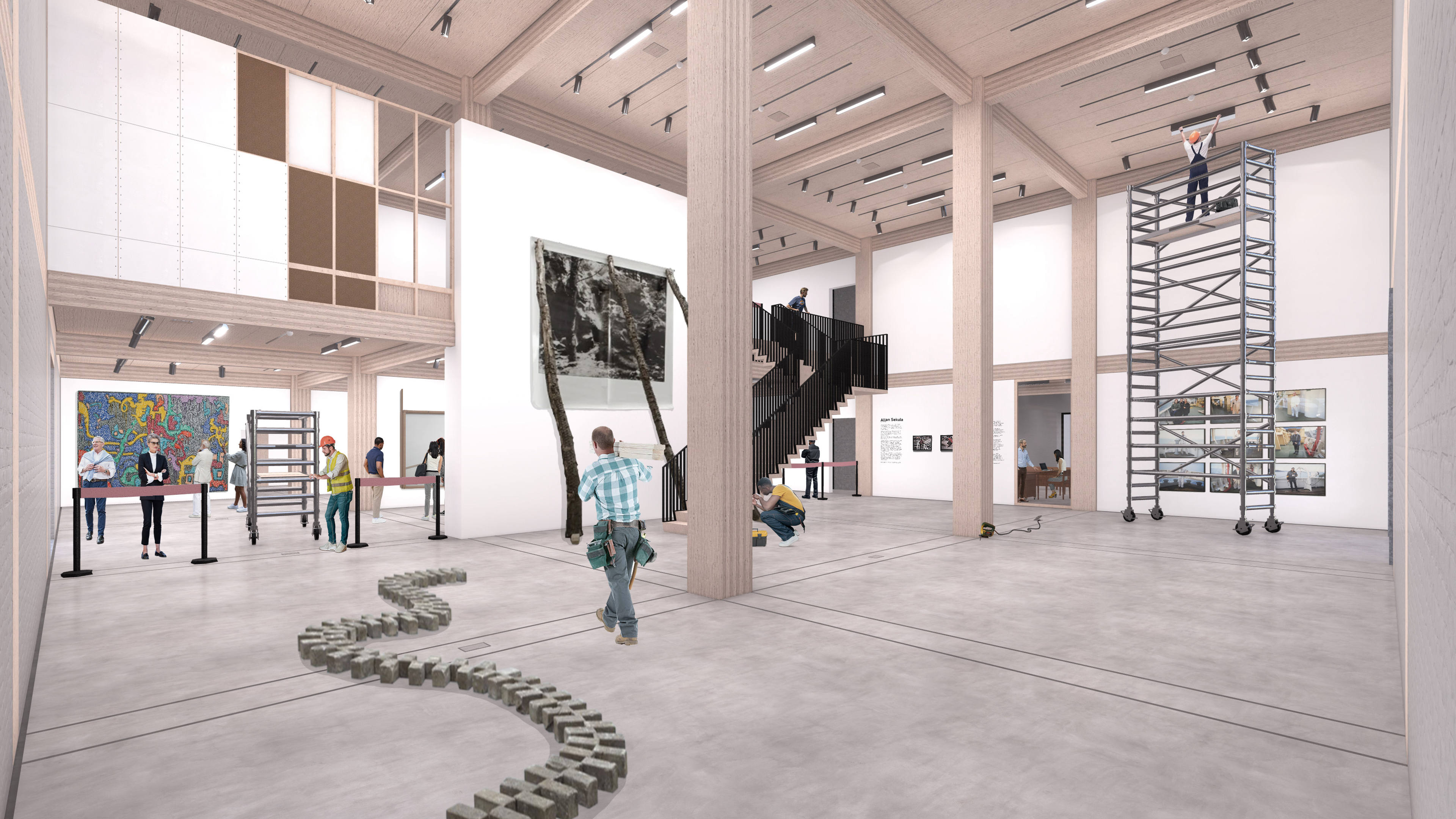
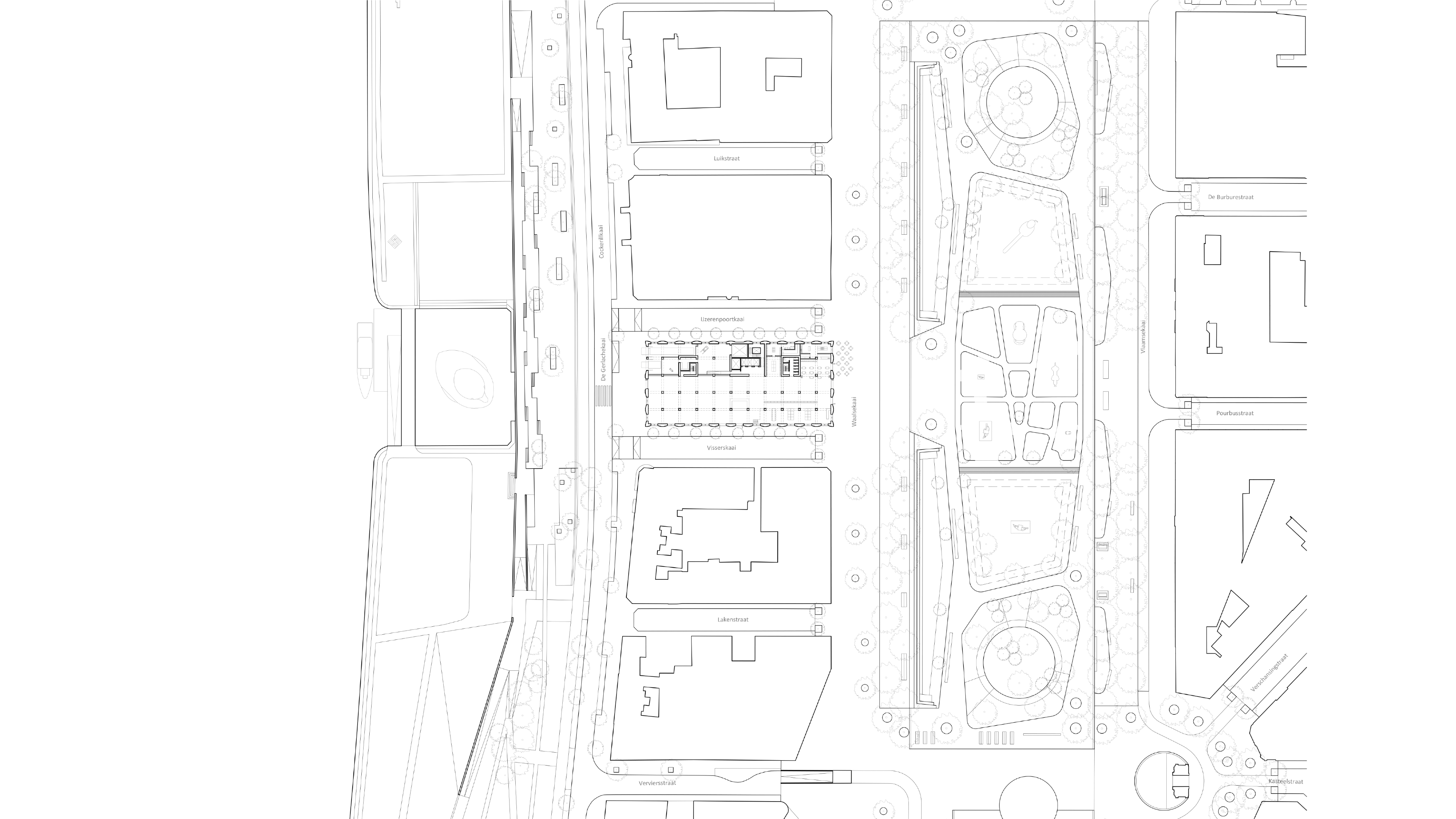
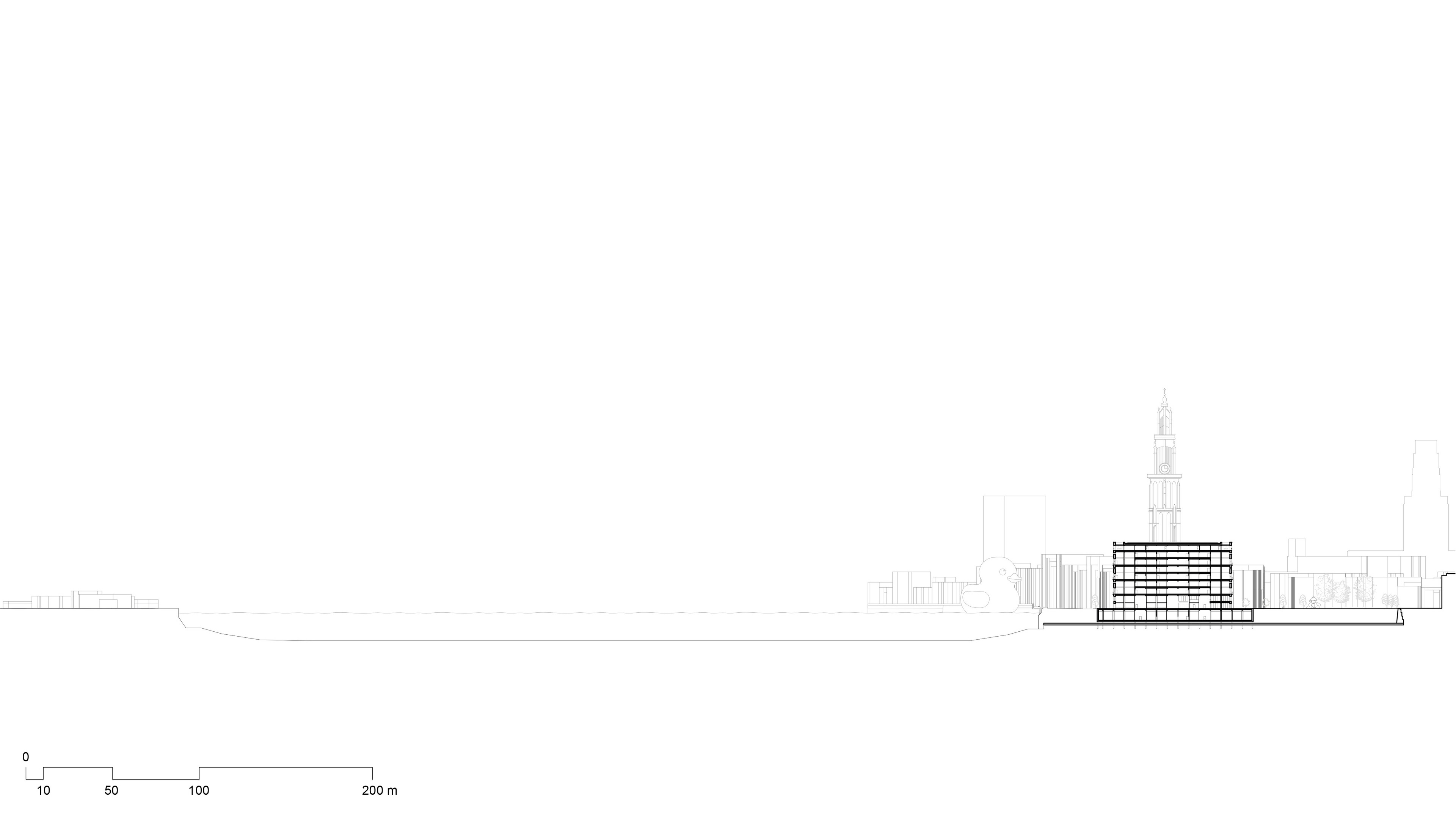
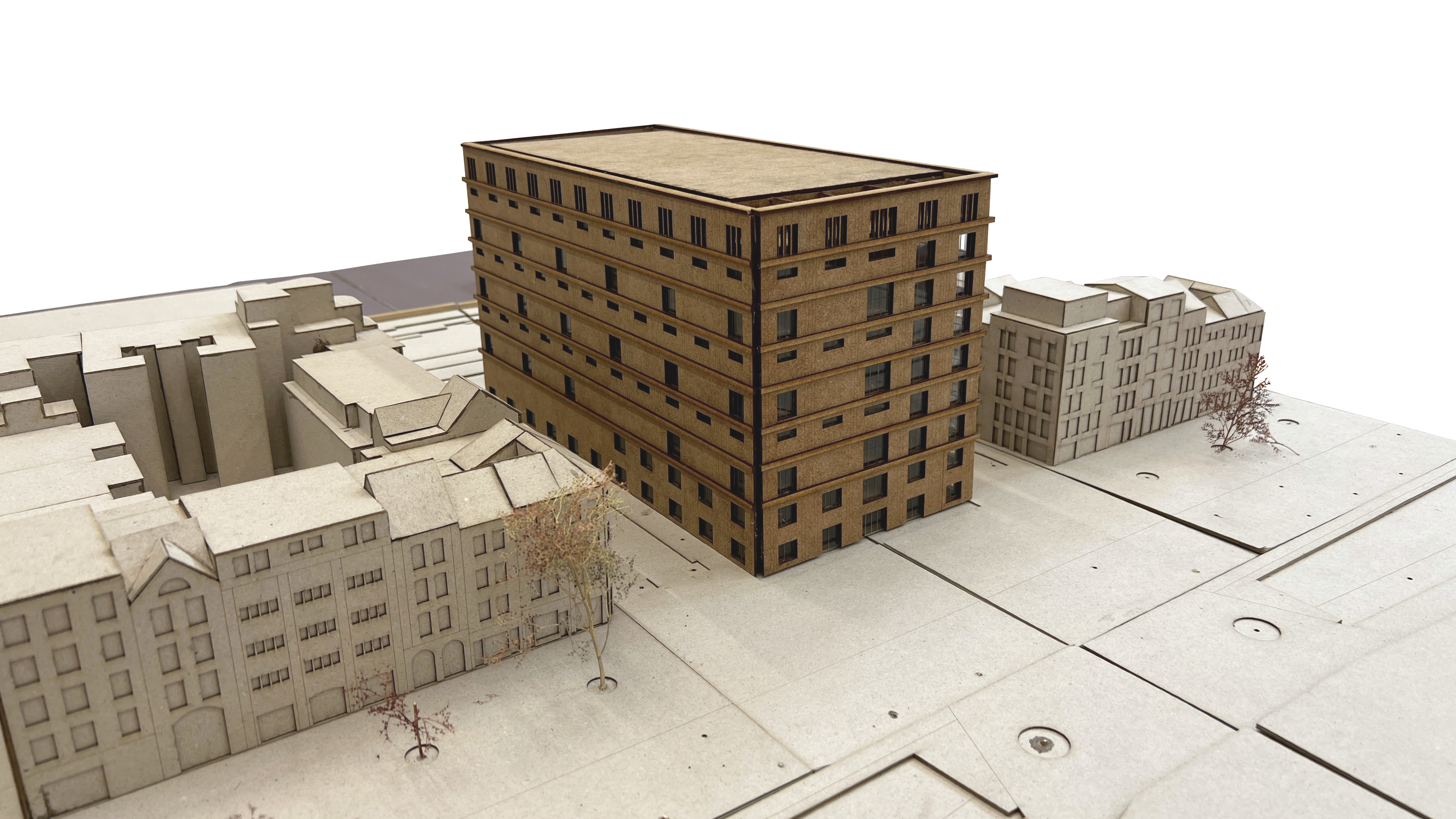
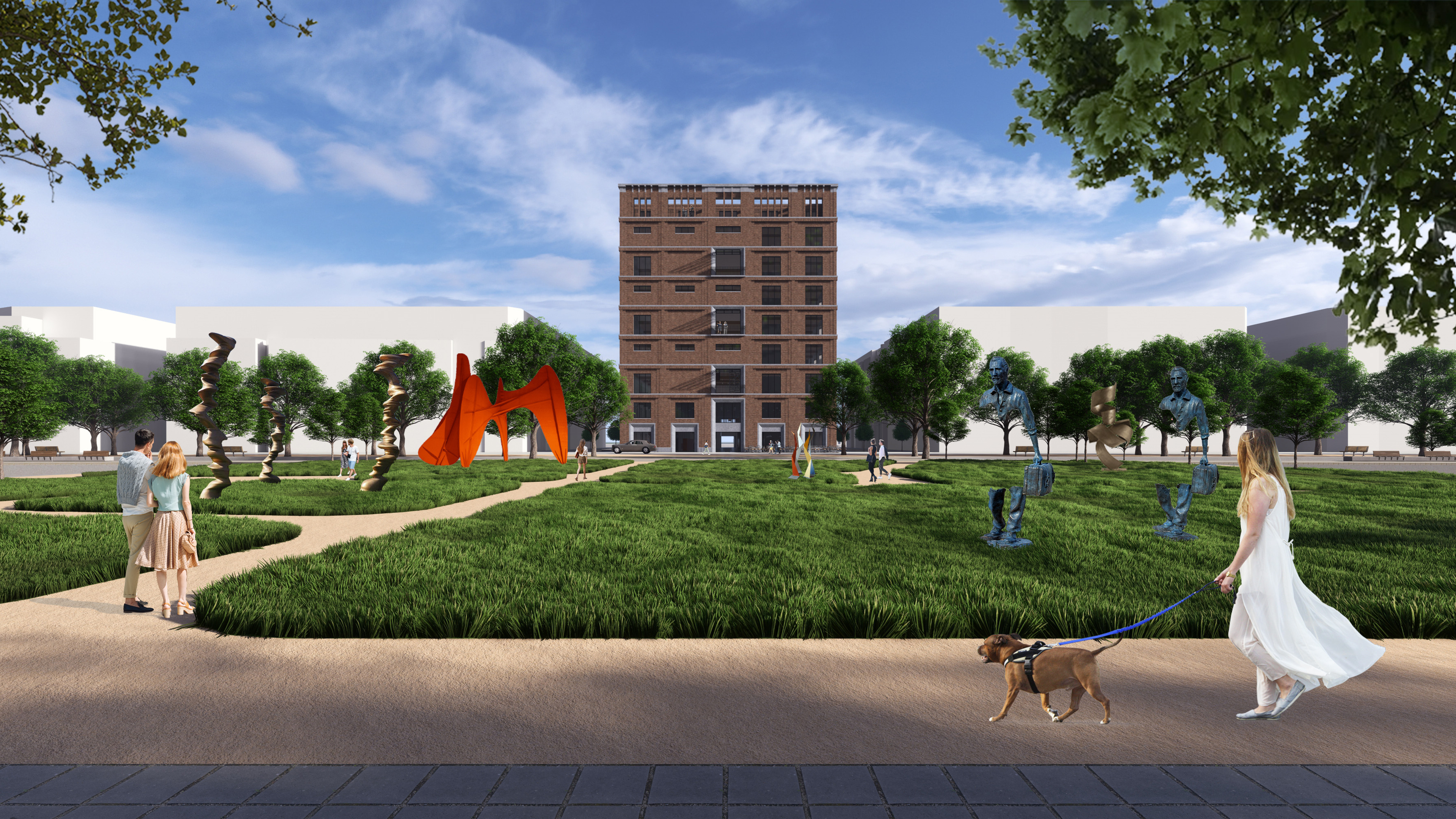
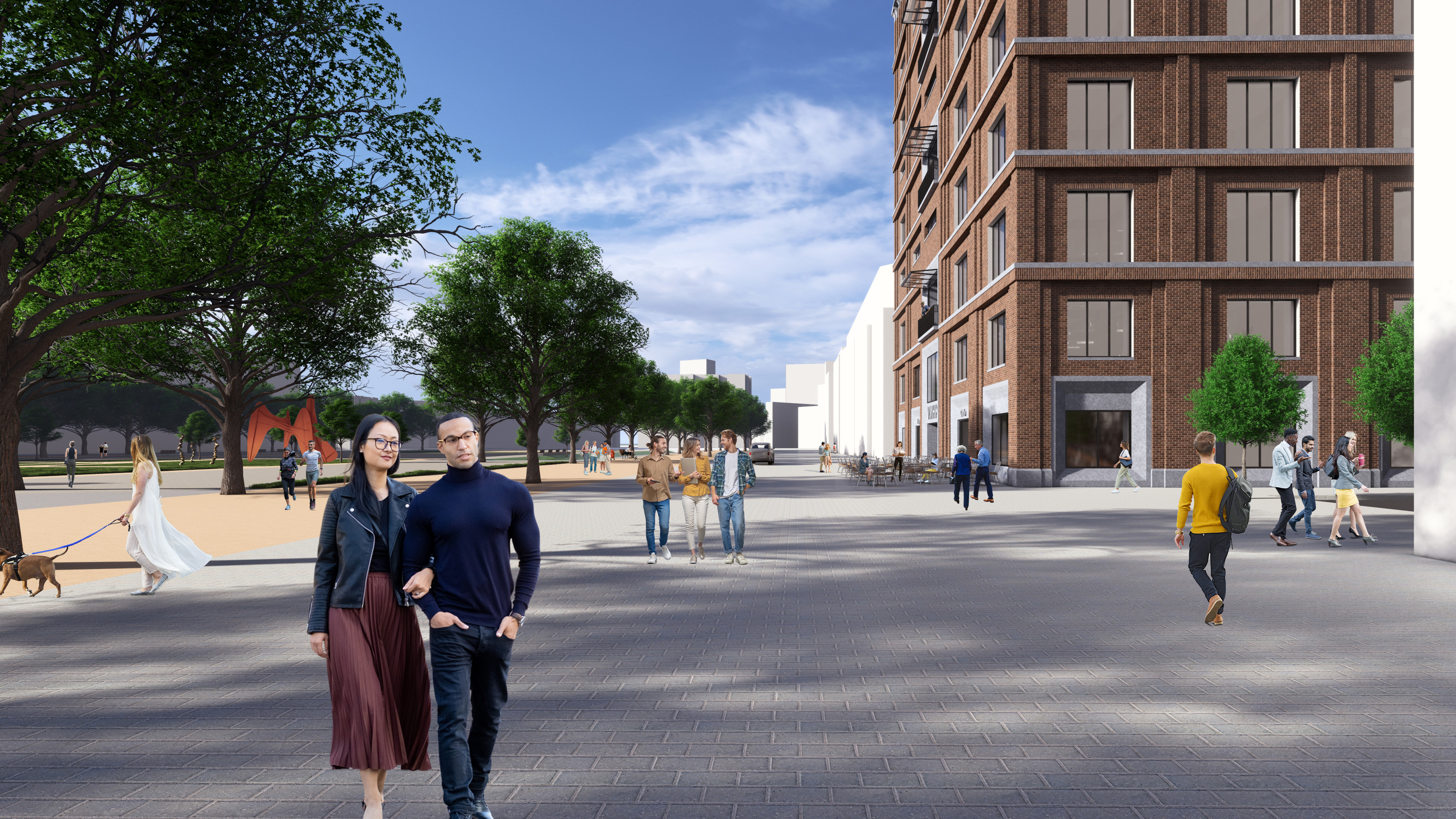
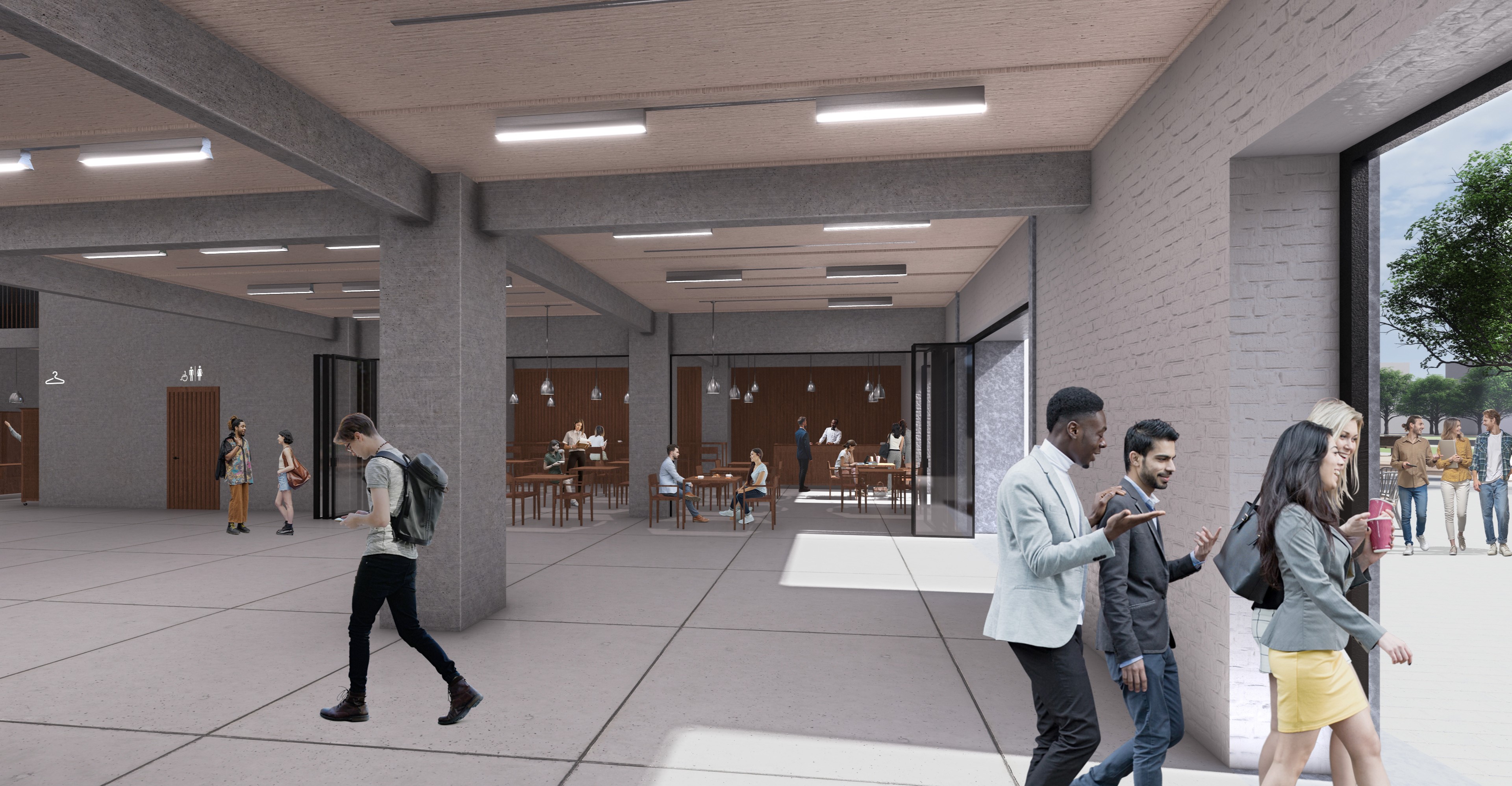
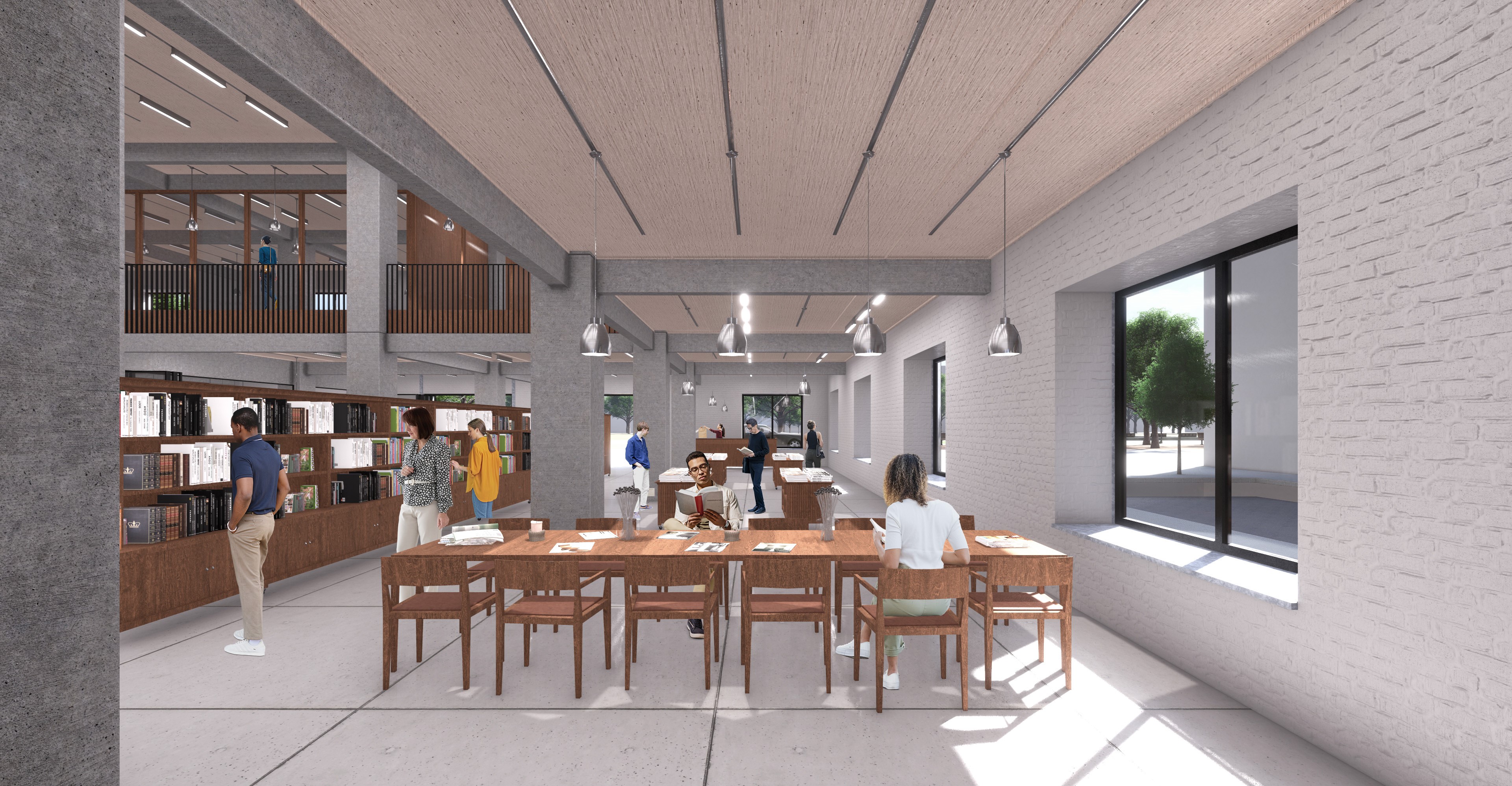
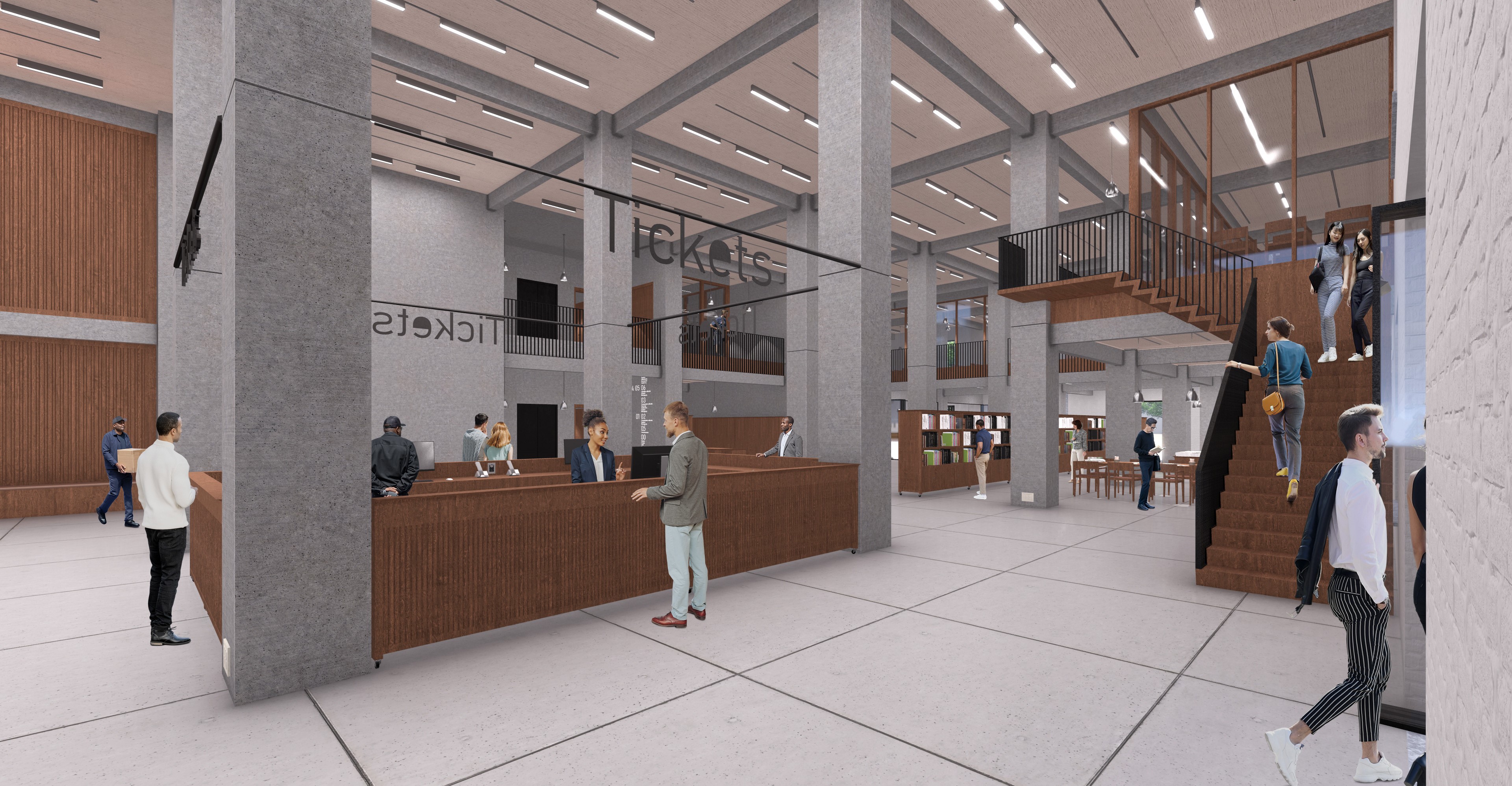
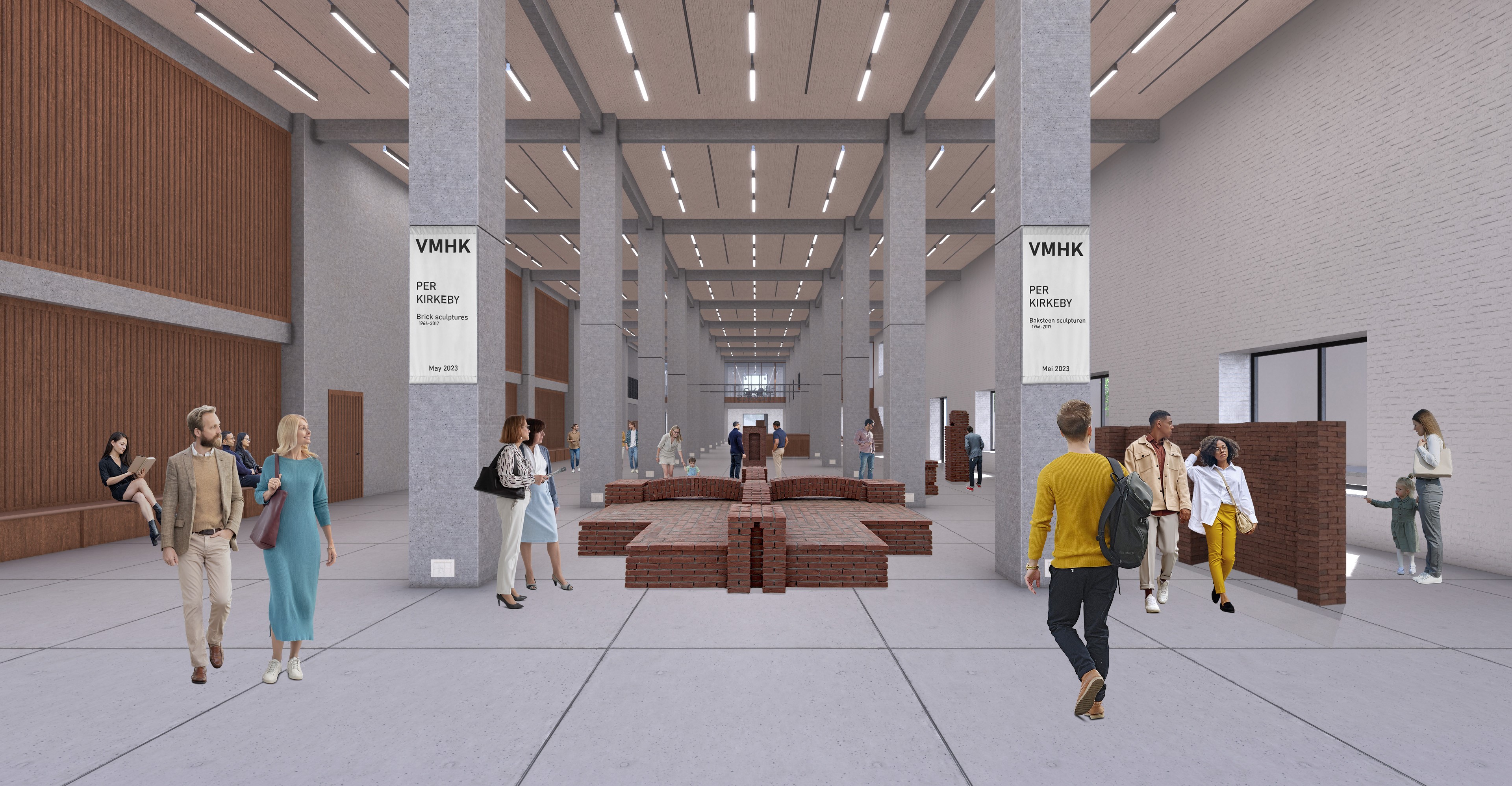
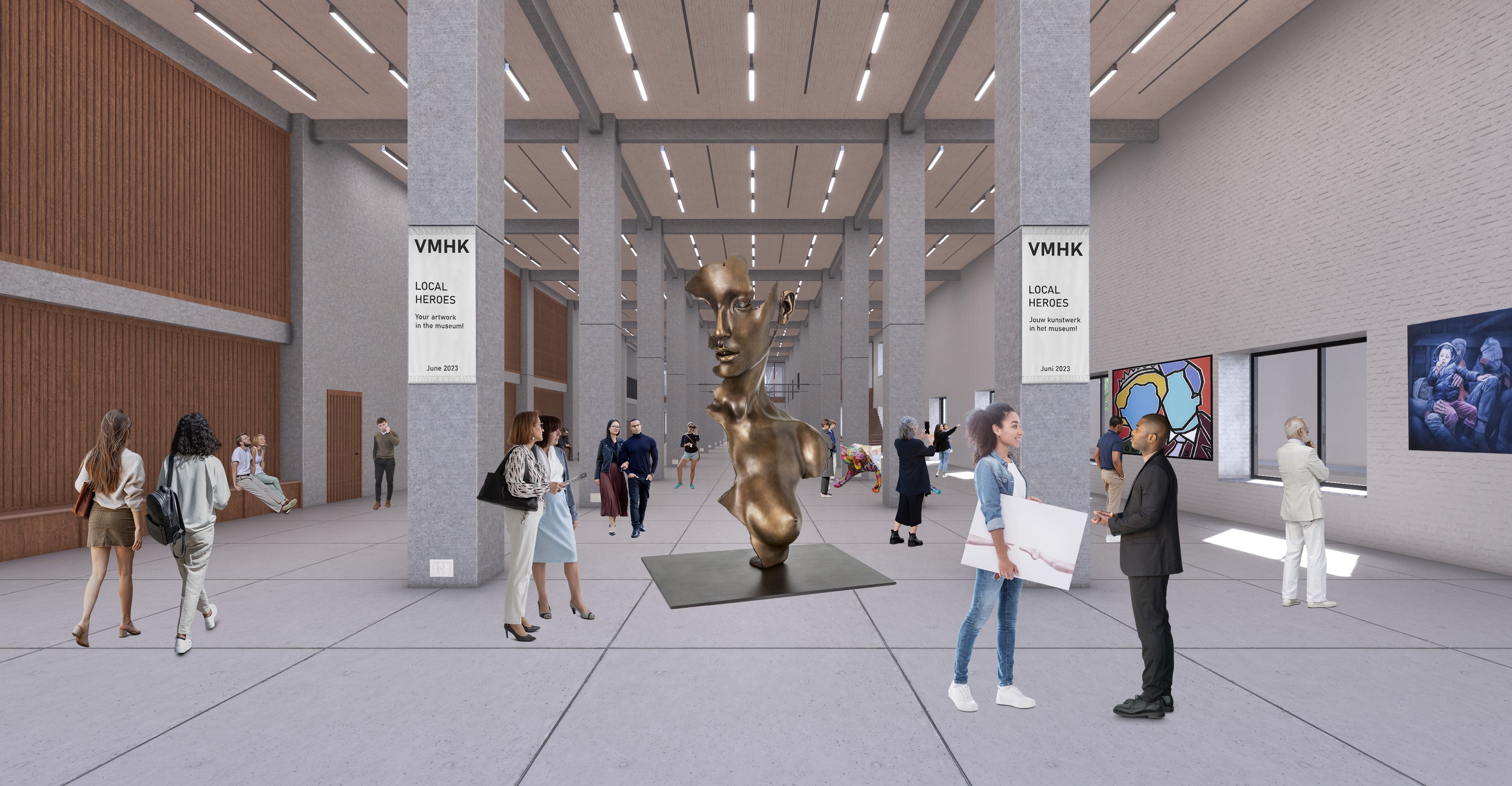
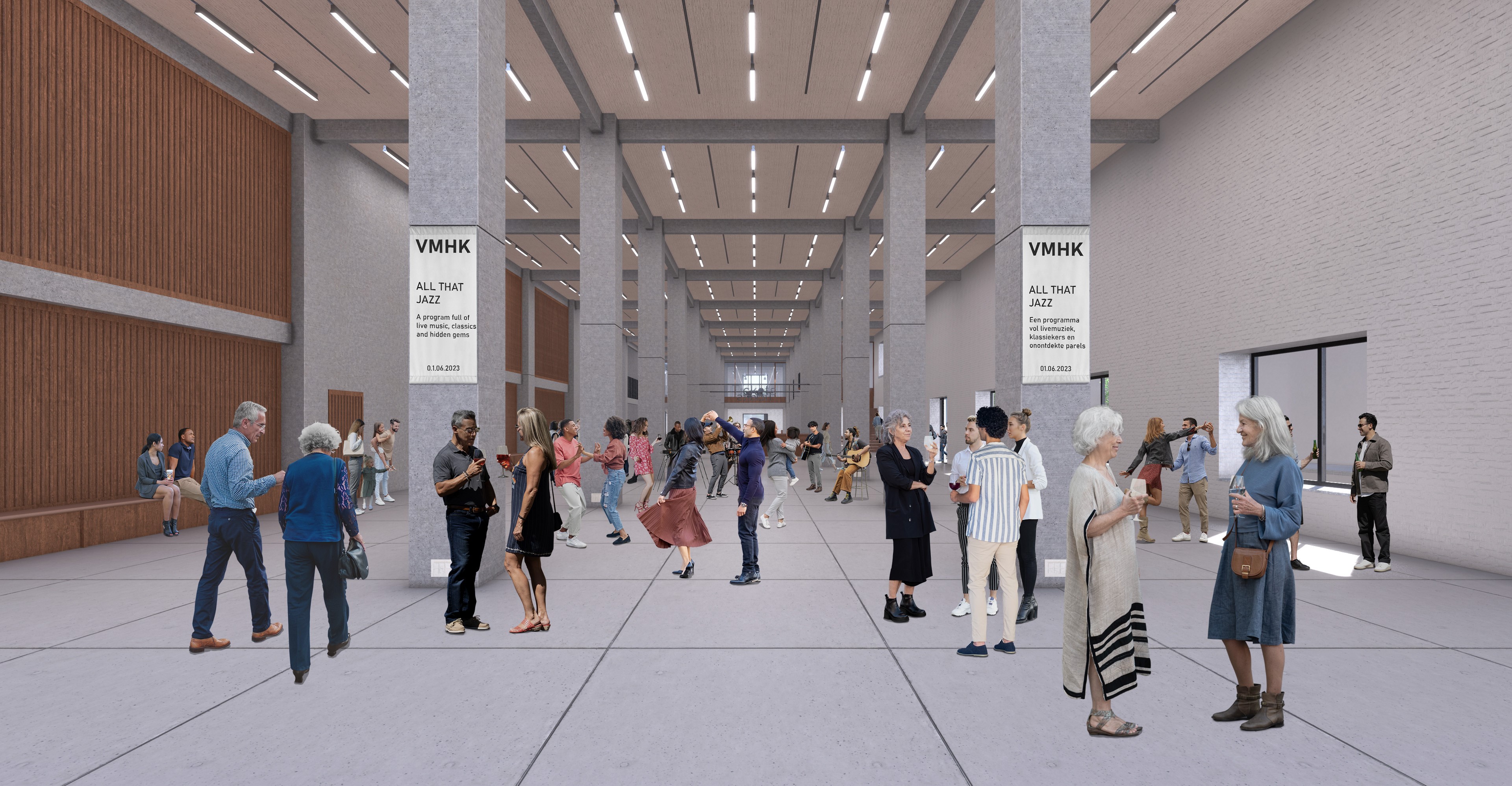
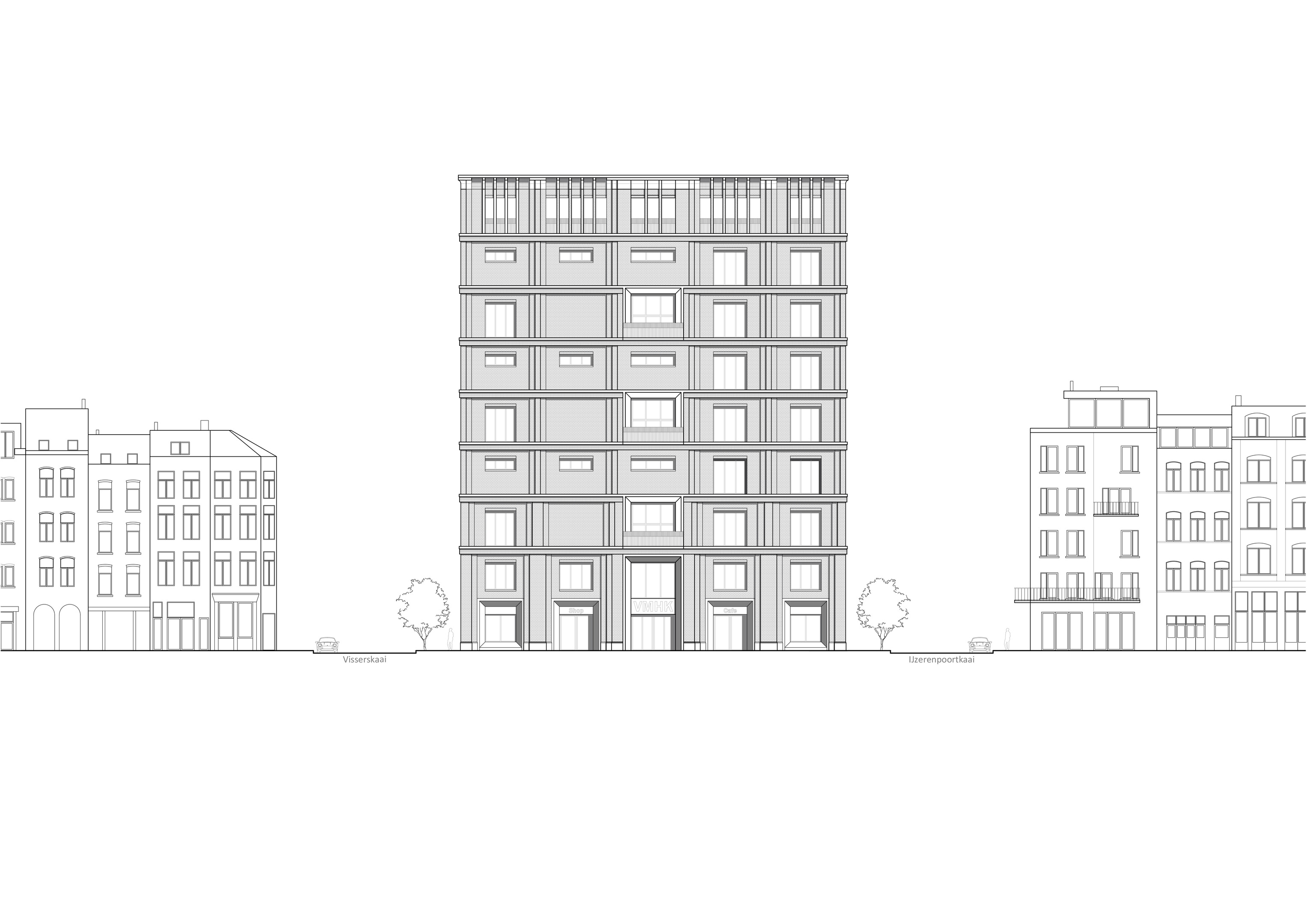
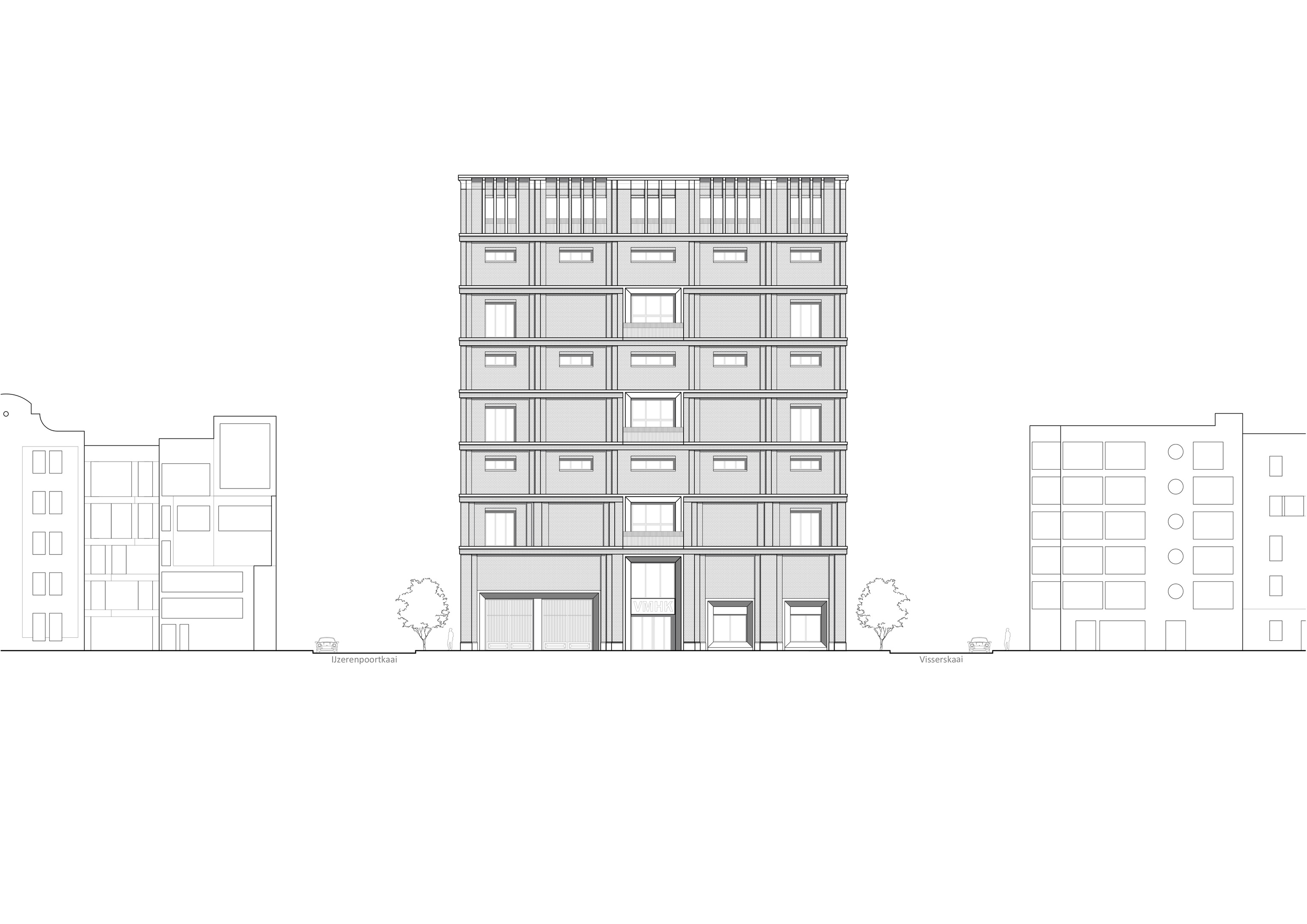
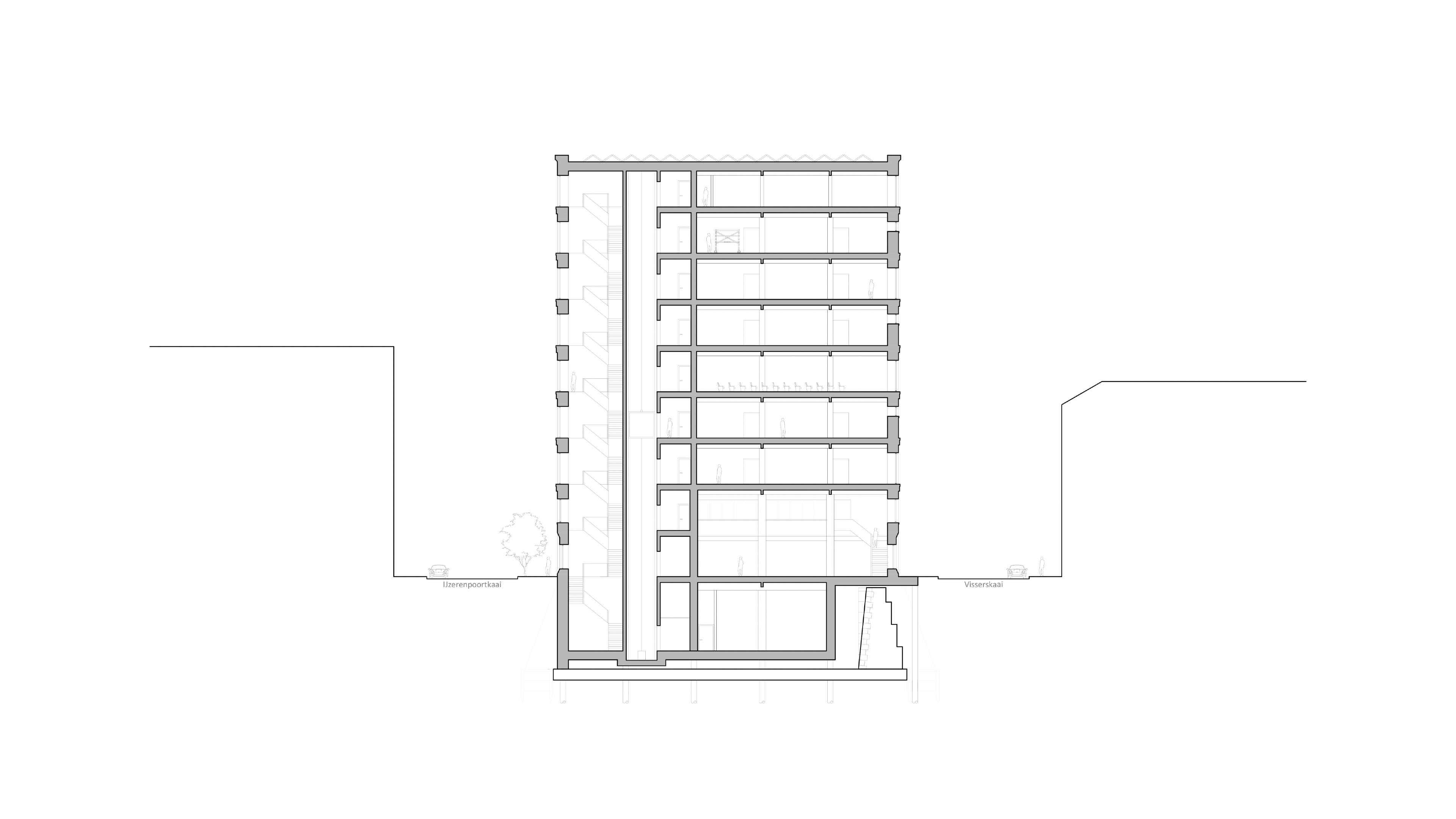
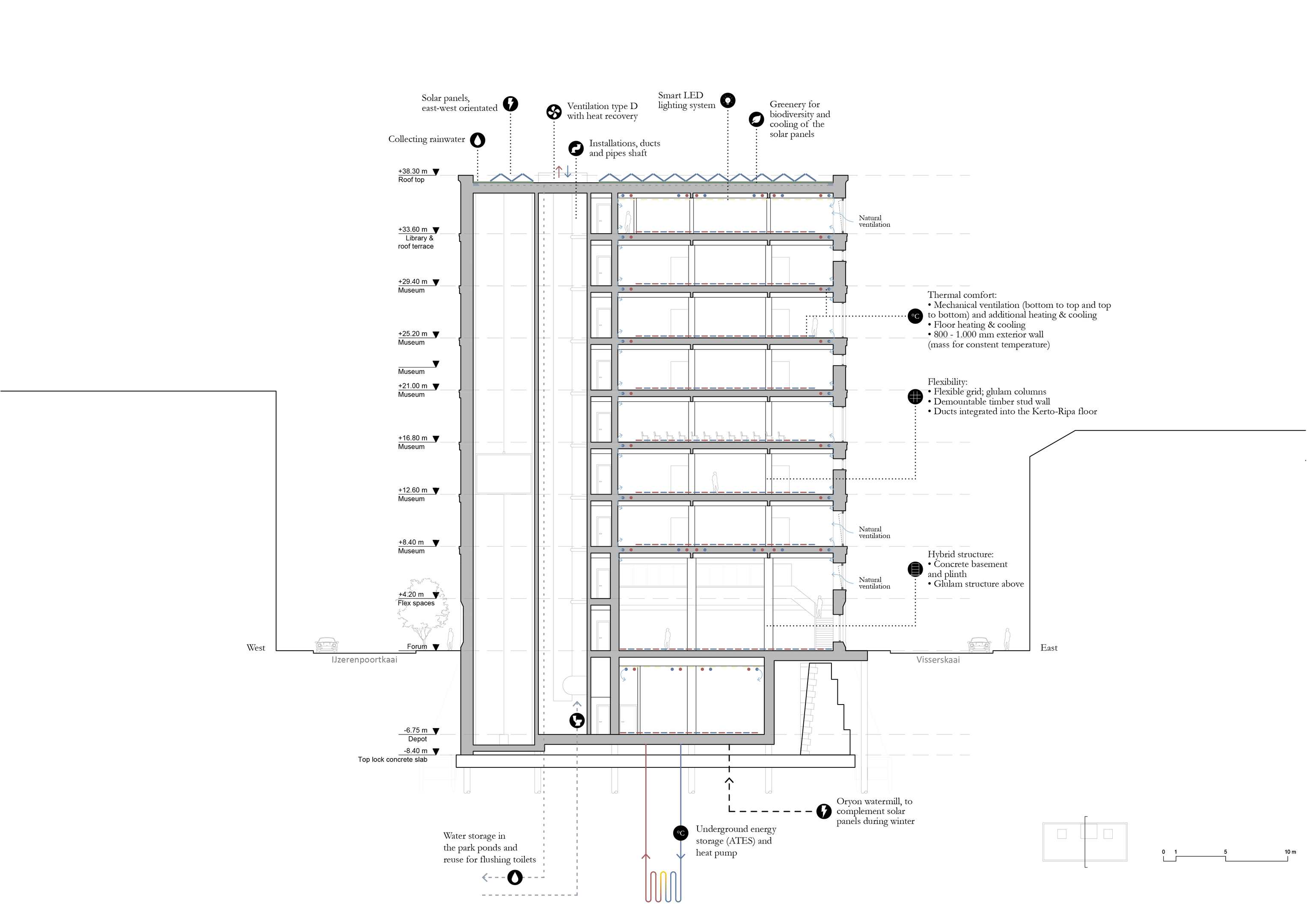
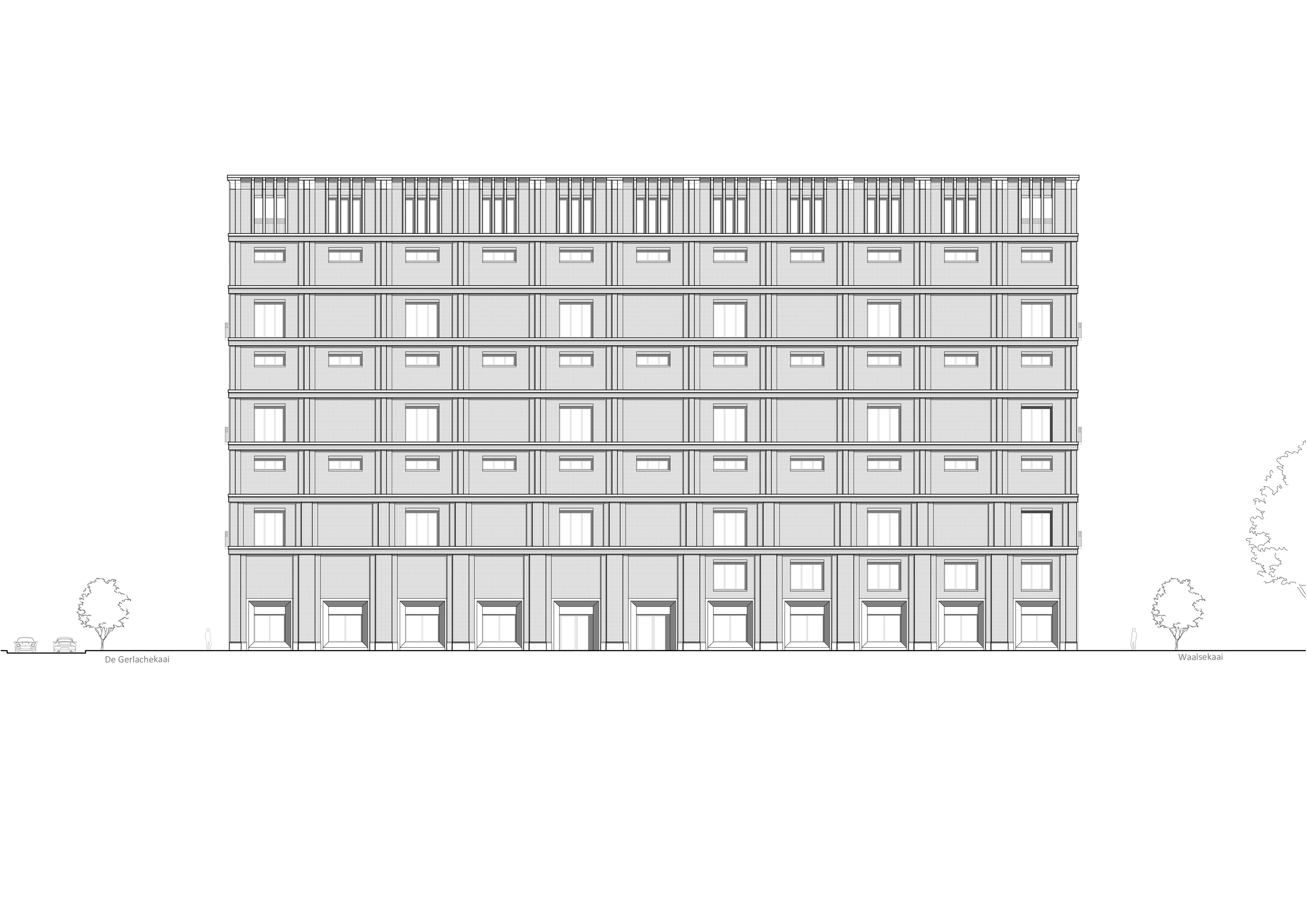
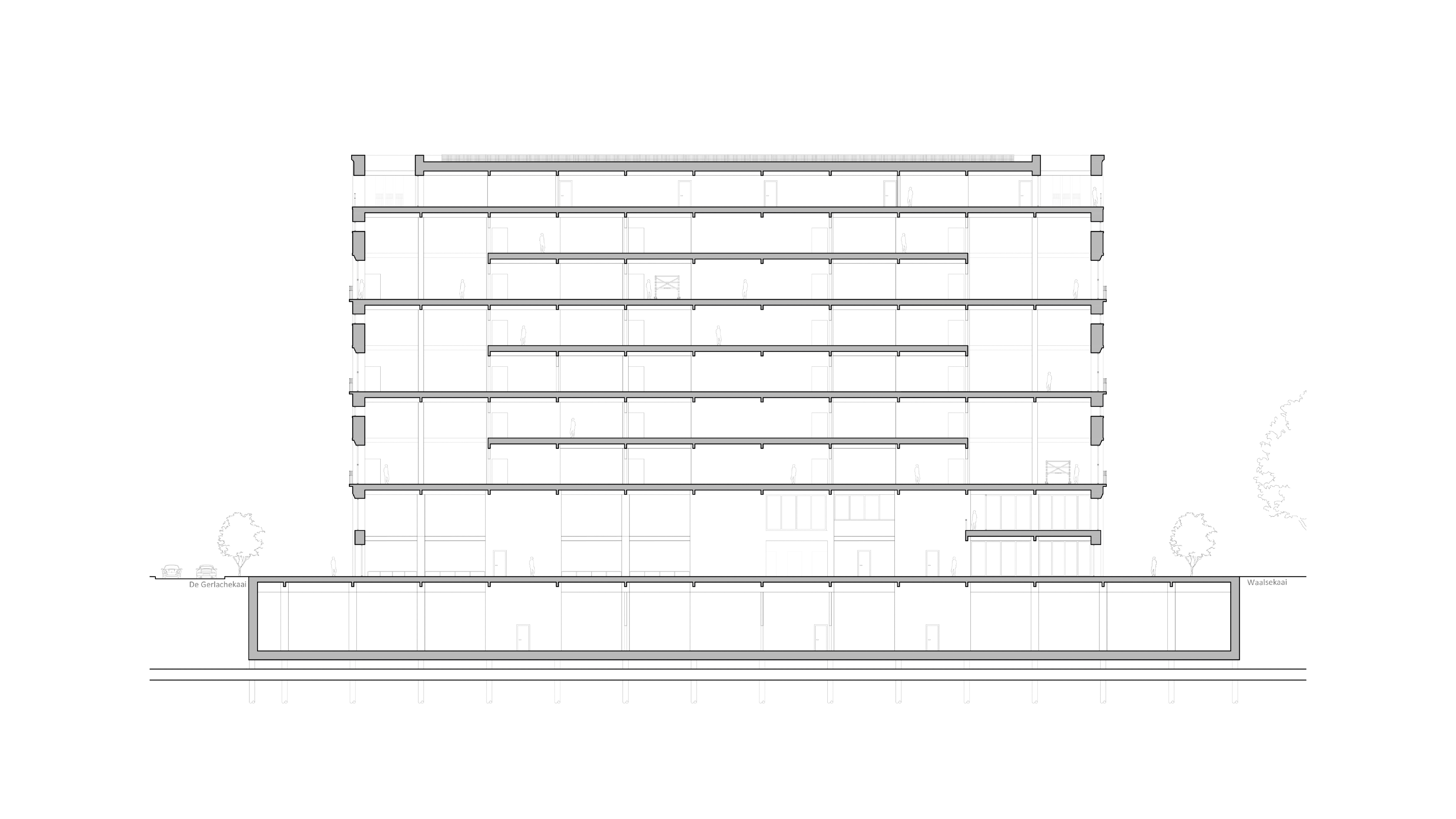
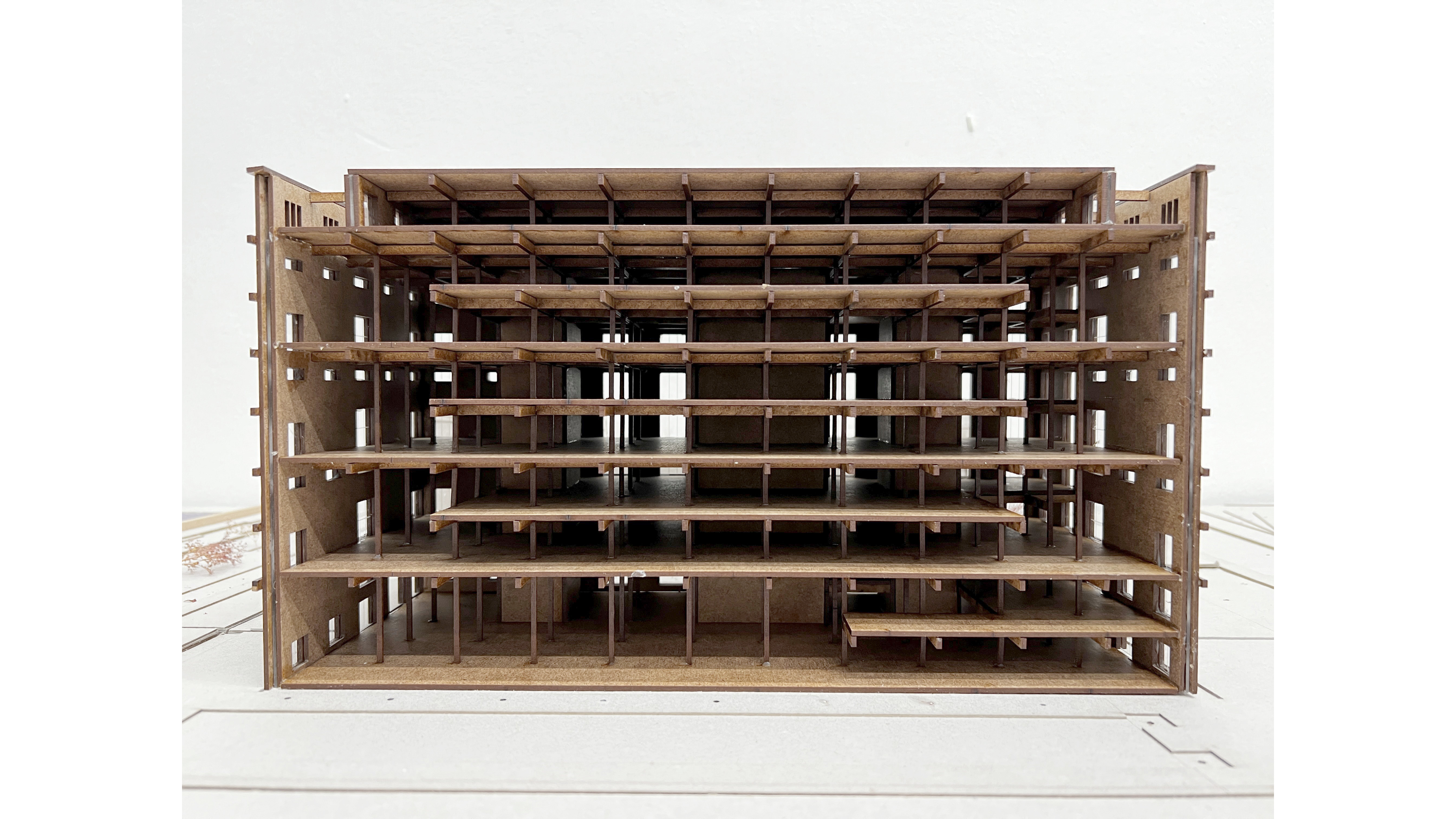
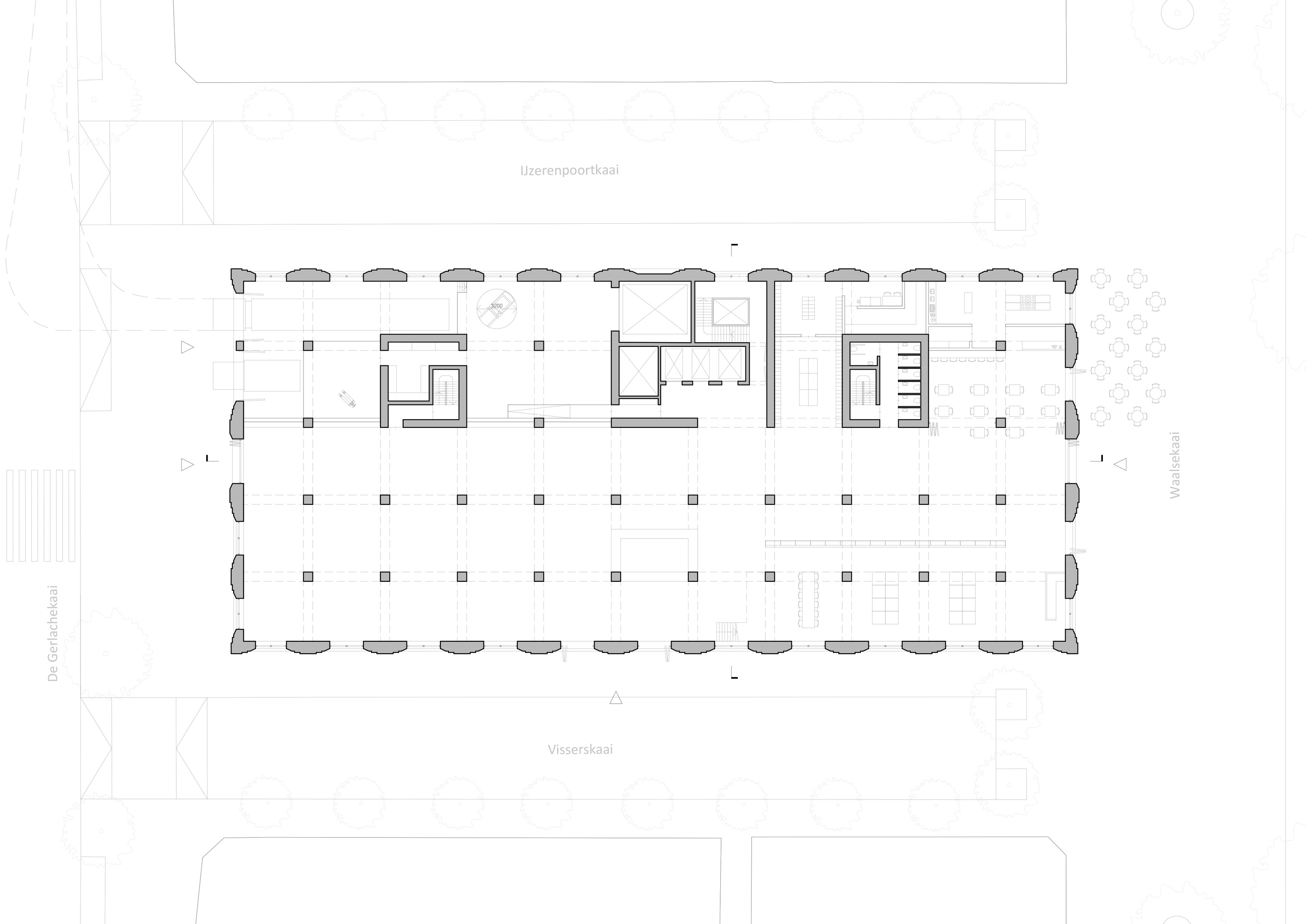
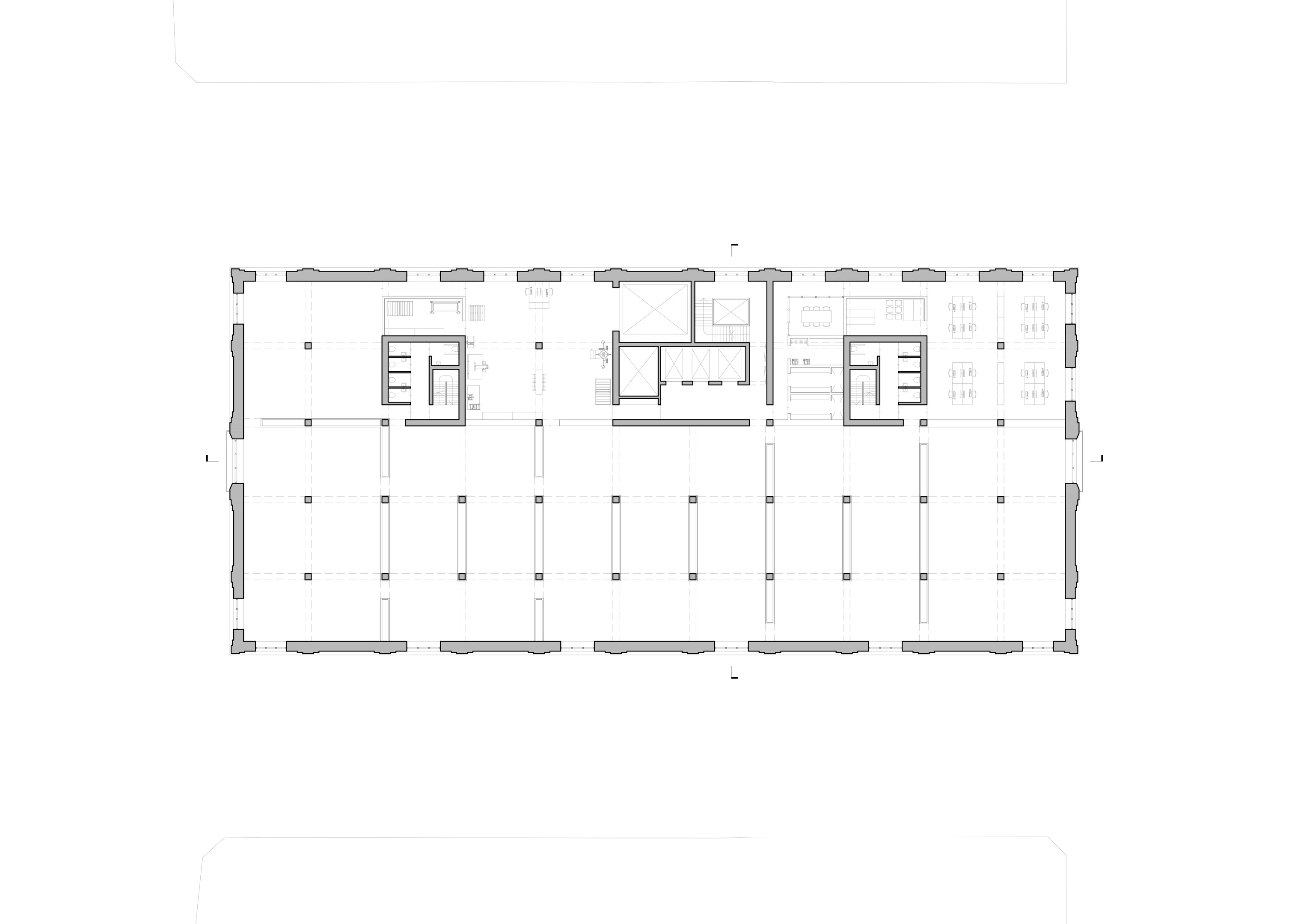
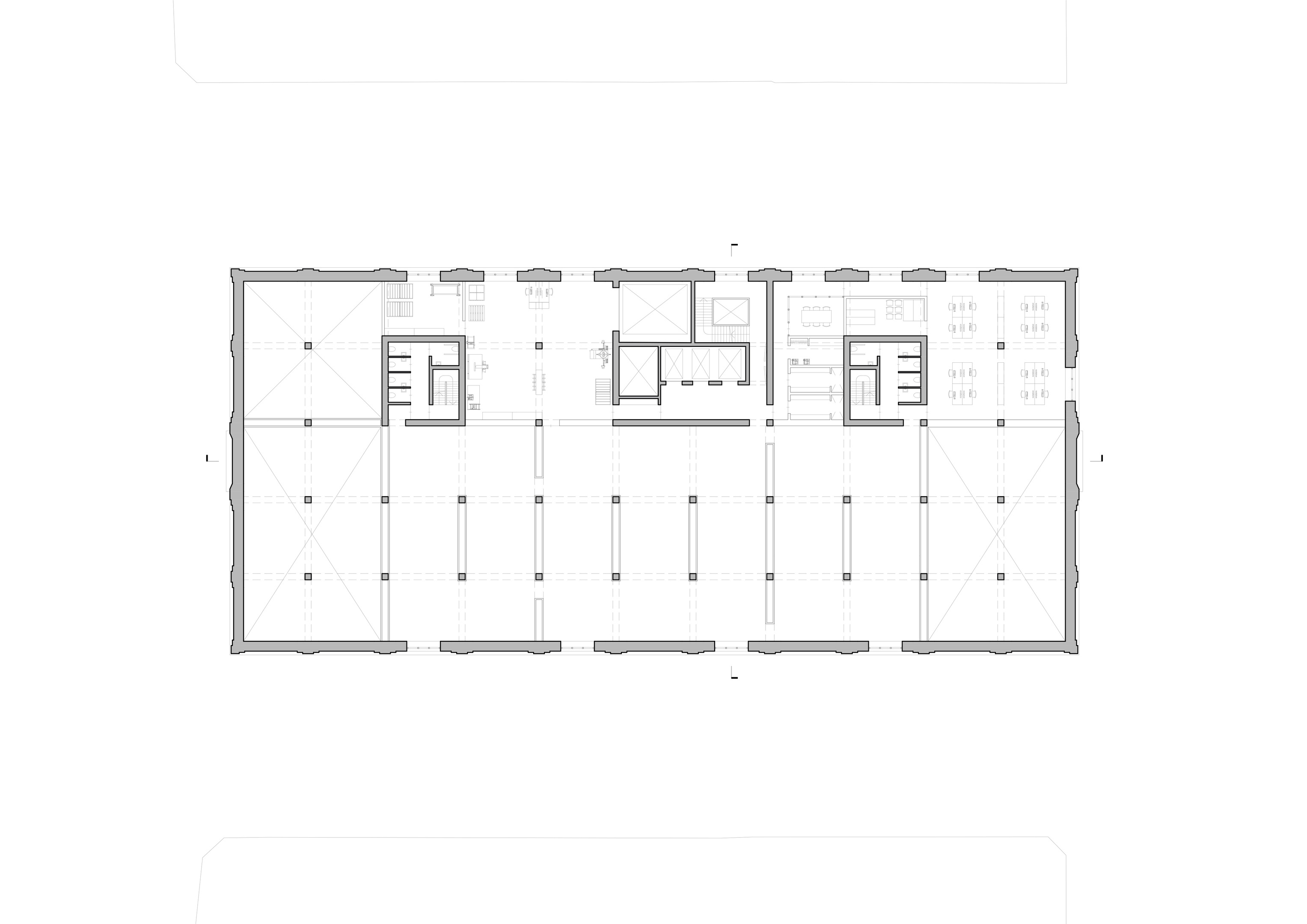
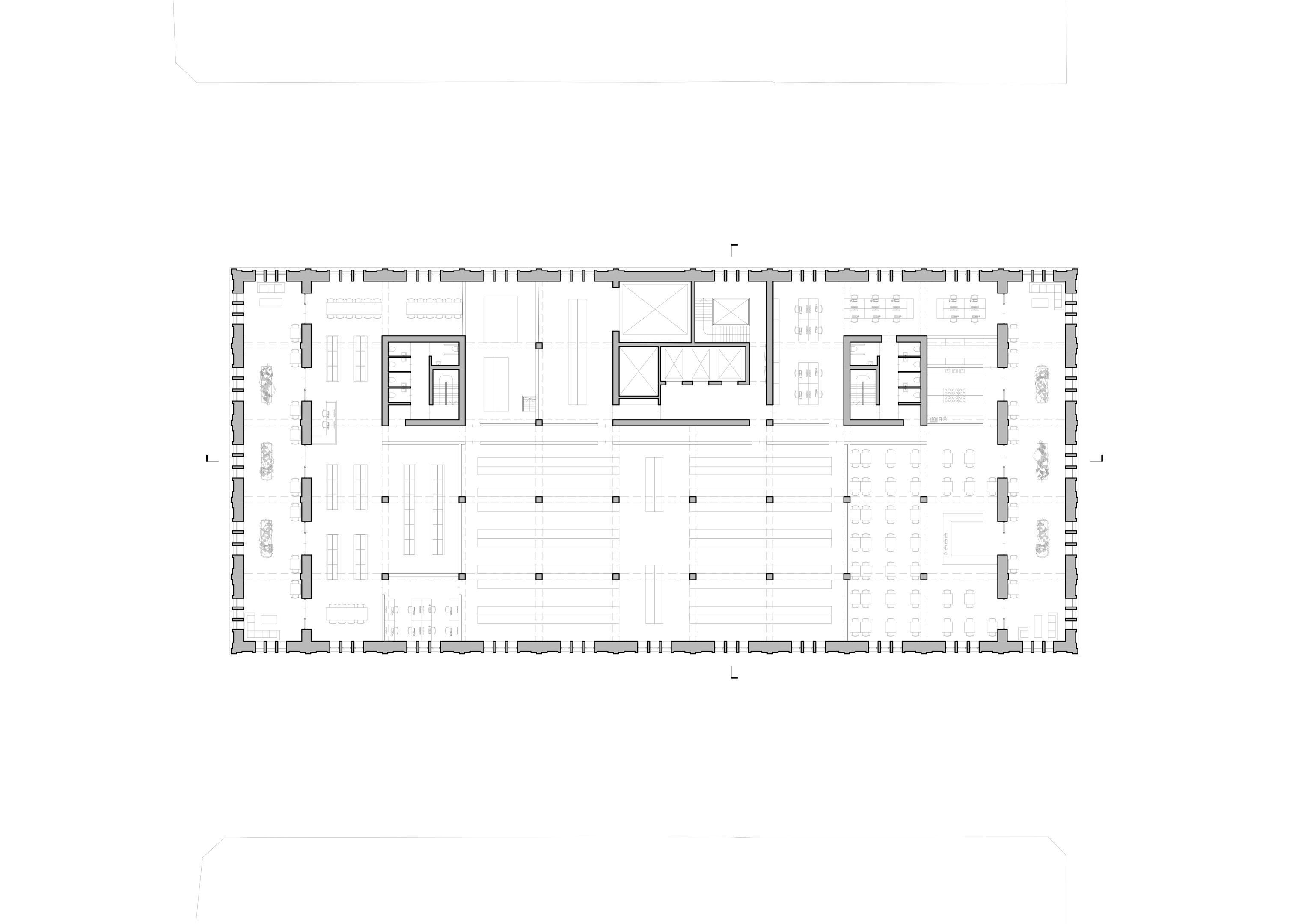
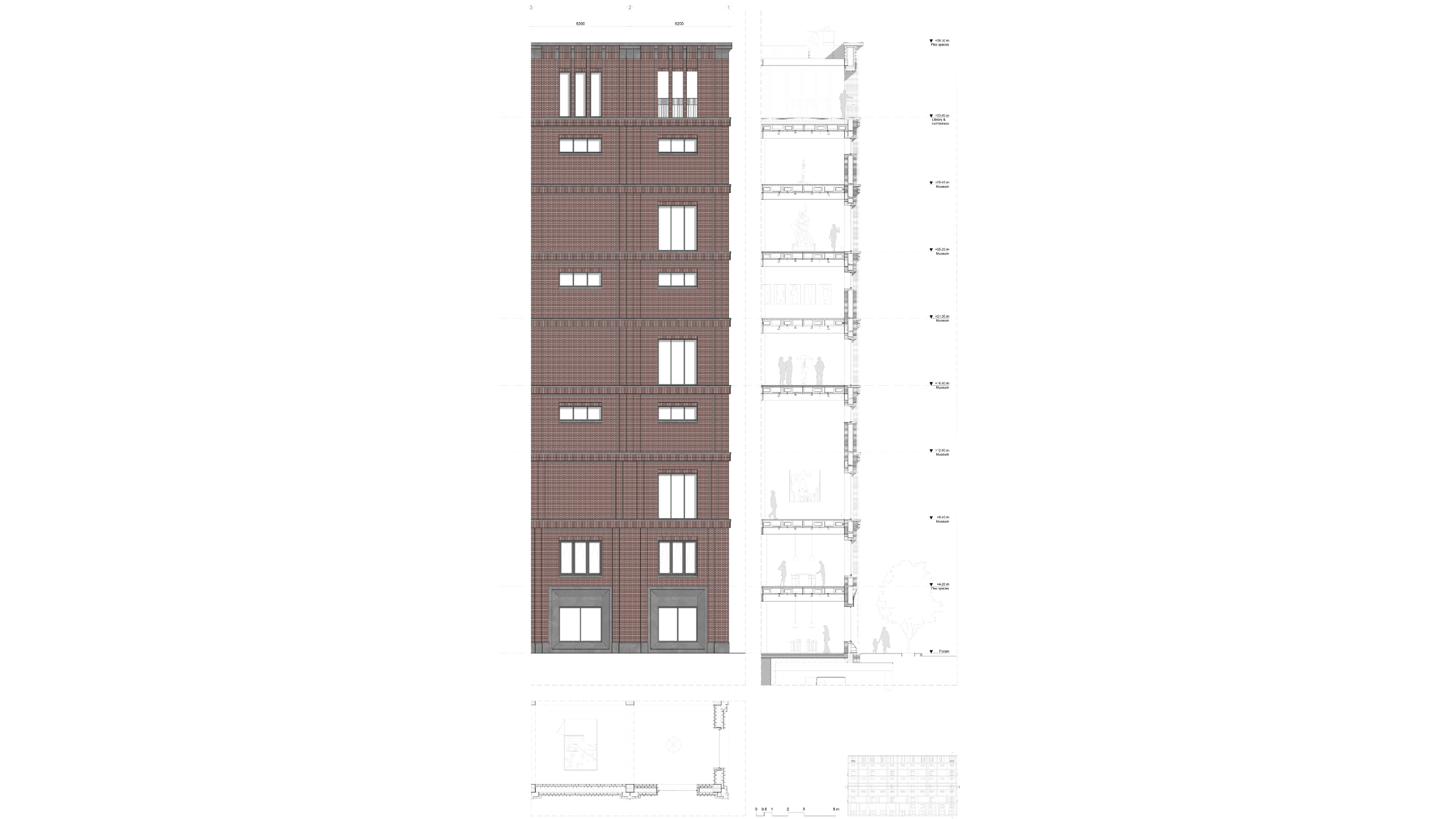
The new design for the Flemish Museum of Contemporary Art (VMHK) endeavoured to translate the nineteenth and twentieth century warehouse architecture into a contemporary art museum. The 'Warehouse for Art' symbolizes its role as a repository for knowledge and artworks, while embracing the genius loci of the former port identity along the Scheldt river and its surrounding brick buildings with a strong horizontality. This industrial character is neutral, but not as aseptic as a characterless white cube and devoid of architectural caprices. Its inherent flexibility ensures adaptability for the museum and future functions, making it future-proof. Moreover, the design questions the conventional notion of the contemporary museum, changing from an exclusive institution into a public building. In this pursuit of an 'anti-museum', the warehouse exemplifies a departure from the typical museum typology. Instead it represents a typology that contemporary art museums have discovered in industrial heritage and can fit into newly constructed buildings of the twenty-first century.